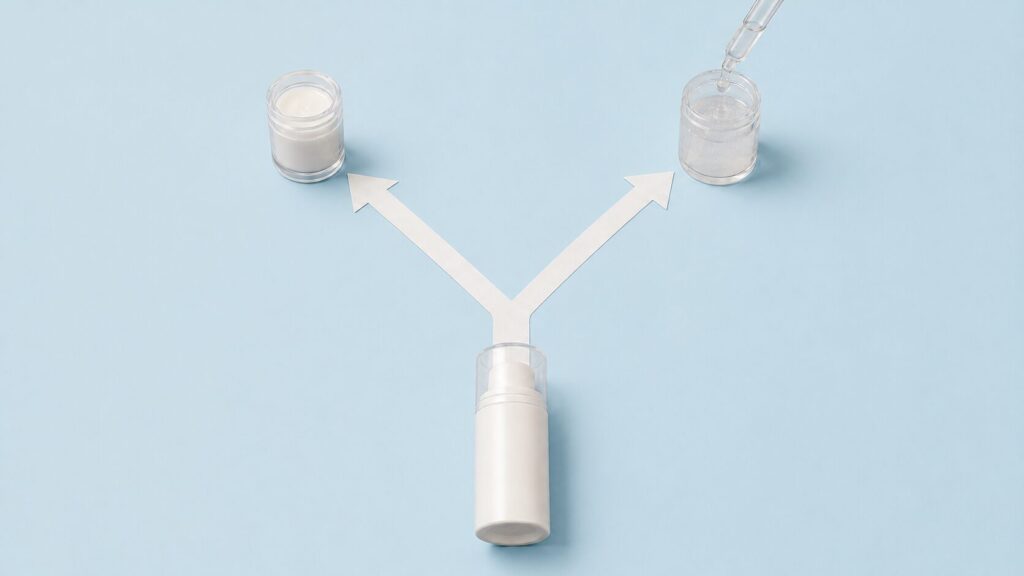



The minimum order quantity, or MOQ, is one of the first parameters a brand should establish before beginning cosmetics production. It is not simply a matter of how many units need to be ordered. MOQ directly affects the project budget, packaging choices, inventory levels, the number of product variants and the time required to bring the product to market.
A well-planned initial production run allows a brand to test market demand without building up excessive inventory. On the other hand, a volume that is too low or chosen without careful consideration can make sourcing components more difficult, complicate the production process or increase the cost per unit. For this reason, the order quantity should be agreed with the manufacturer after defining the project’s business objectives and developing a realistic sales plan.
What does MOQ mean in cosmetics manufacturing?
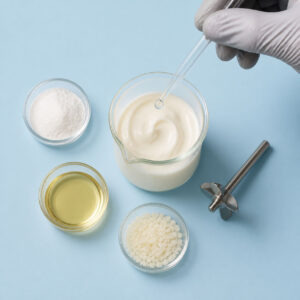
MOQ is the minimum volume at which a manufacturer can efficiently produce a particular batch. There is no universal figure that applies to every project. It depends on the type of product, the availability of raw materials, the manufacturing technology, the packaging selected, the filling process and the quantities in which individual components can be purchased. A straightforward product in standard packaging may have very different requirements from a formulation that requires custom development.
Five key factors usually determine the size of the first production run:
- the type and complexity of the cosmetic formulation,
- the availability and purchasing requirements of raw materials,
- the selected packaging, closure and labelling components,
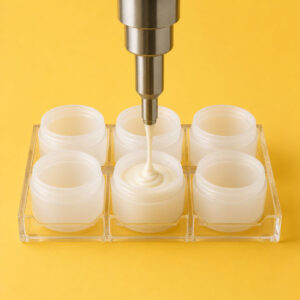
- the capabilities of the production line and the filling method,
- the intended sales channel and expected rate of product turnover.
This approach provides brands with a clear advantage. Instead of choosing a volume based on guesswork, they can assess how each decision will affect costs, inventory risk and the product’s future availability.
How to plan your first cosmetics production run?
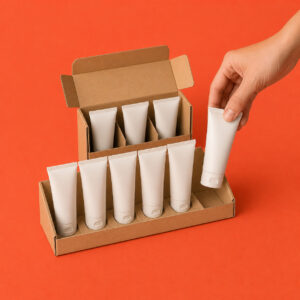
The first production run does not have to be the largest volume a brand can afford. It should reflect how much the company can realistically sell, manage logistically and reorder within a predictable timeframe. It is also important not to consider the number of units in isolation from the overall product range. Launching several fragrances, sizes or products at once may spread the available budget and inventory across too many items.
The safest approach is to begin with a structured plan that answers the following questions:
- Who is the product intended for, and what need is it designed to meet?
- Where will it be sold: online, through retail stores, in beauty salons or through B2B distribution?
- How many product variants does the brand want to launch initially?
- How long can the company afford to finance inventory before it is sold?
- What is the plan for placing the next order after the initial production run?
At Canexpol Group, we find that projects are easier to manage when sales planning and production requirements are discussed at the same time. This gives the brand a stronger basis for deciding on the appropriate scale, while allowing the manufacturer to identify potential limitations related to the formulation, components and production process at an early stage.
Why does packaging affect the order quantity?
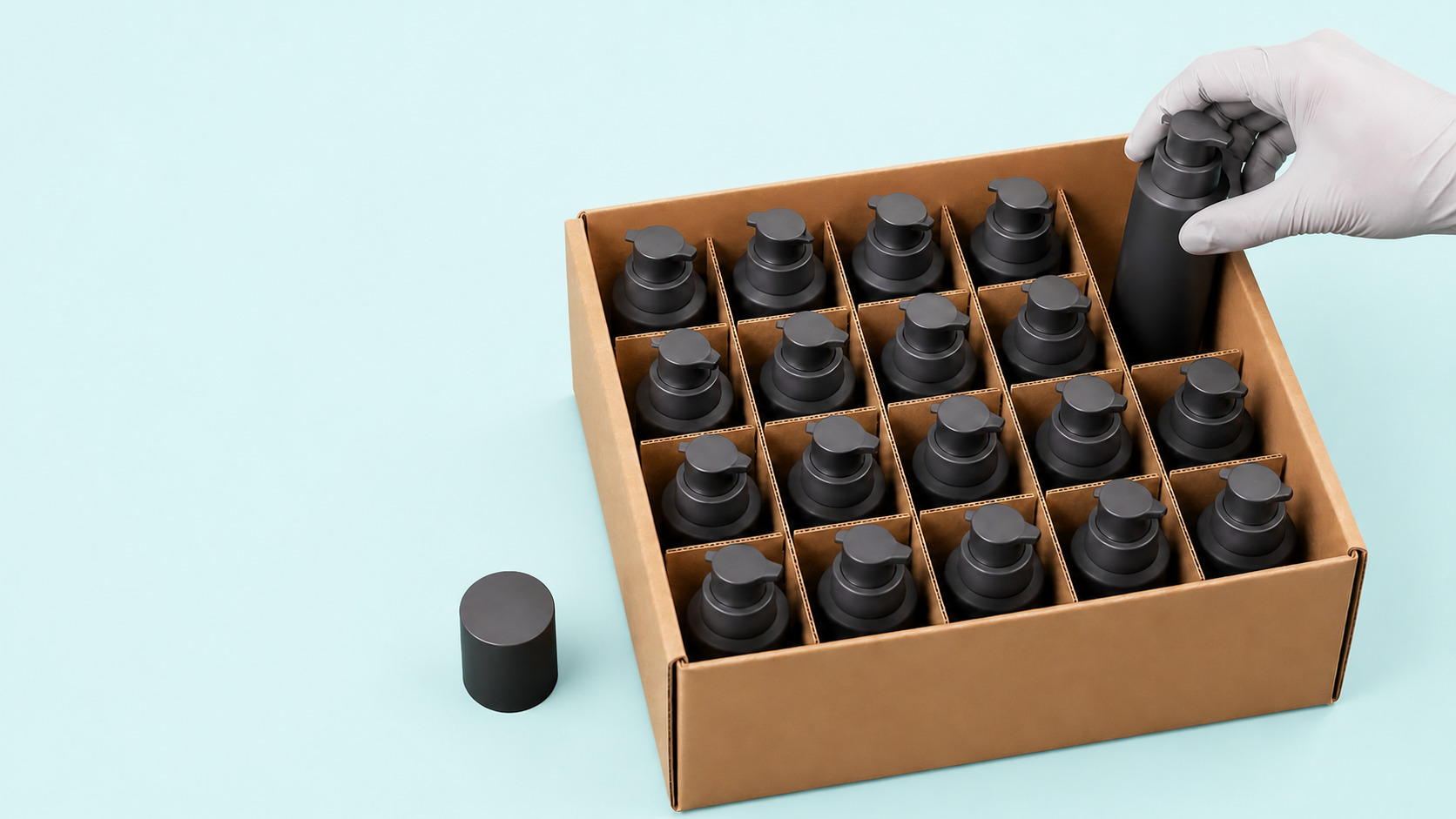
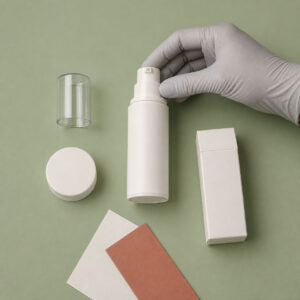
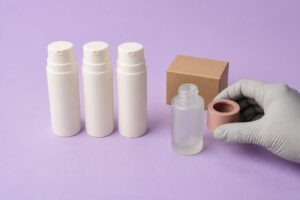
Packaging is one of the factors that most frequently affects MOQ. Bottles, jars, pumps, caps, labels and cartons may all have different purchasing conditions and lead times. Even if the formulation itself can be produced in a smaller batch, a particular packaging component may require a larger minimum order or a longer preparation period.
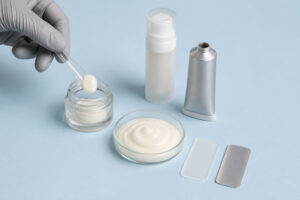
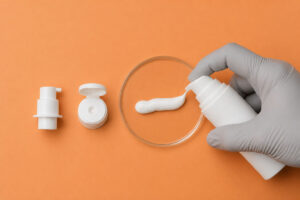
Packaging should therefore be planned alongside the formulation rather than selected only after the product has been fully developed. The compatibility between the product and its packaging must also be confirmed. The cosmetic should retain its properties over time, while the dispensing system must work correctly under normal conditions of use. Testing these elements helps to reduce the risk of later changes that could delay the launch.
Before selecting individual components, the brand and manufacturer should assess:
- whether the packaging is standard or custom-made,
- its availability and minimum purchase quantities,
- whether its shape, material and dispensing system are suitable for the product’s consistency,
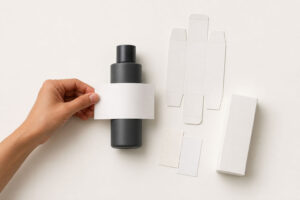
- whether the label or packaging provides enough space for all required information,
- whether the component will also be available for future production runs.

How to discuss MOQ with a cosmetics manufacturer?
A clear brief is the best starting point. It does not need to be extensive, but it should describe the product category, target customer, expected properties, intended market and approximate launch date. It is also helpful to be open about the project’s budget range and expected production volume. This allows the manufacturer to recommend solutions suited to the brand’s actual capabilities rather than working from broad assumptions.
During the discussion, the brand should ask which elements of the project determine the minimum production volume and which of them can be adjusted without compromising the product’s purpose. In some cases, the process can be simplified by launching fewer variants, choosing a readily available packaging component or developing the product line in stages. The aim is not to reduce quality, but to design a launch that the brand can realistically manage and finance.
MOQ should support a brand’s growth rather than impose an arbitrary scale. A well-planned first production run brings together commercial objectives, technological capabilities and component availability. This allows the brand to enter the market with greater control over risk and plan future orders based on actual demand.